Product situations we can help move forward.
We use these patterns as starting points, then adapt the product and technical approach to your users and operating model.
Release automation
Replace fragile manual steps with a consistent path for building, checking and deploying software.
Environment design
Separate development, staging and production concerns with clearer configuration and access boundaries.
Application observability
Bring logs, health signals and alerts together so teams can understand running services.
Cloud modernization
Improve a deployment that has grown difficult to release, operate or change safely.
The disciplines behind the work.
Our cloud work stays close to the application. Infrastructure decisions are made with the software architecture, release workflow and operating team in view.
How Finxsa worksCloud architects
Shape environments, service boundaries and infrastructure choices around the application’s real requirements.
DevOps engineers
Automate builds, tests, deployments and configuration across the delivery lifecycle.
Application engineers
Align code, runtime behavior and service dependencies with the deployment architecture.
Operations-minded QA
Strengthen release checks, environment validation and visibility around critical product paths.
A visible path from first decisions to what comes next.
The sequence stays clear while the detail adapts to the product, team and stage of the work.
- 01
Assess
Review architecture, release flow, environments, dependencies and current operational pain points.
- 02
Prioritize
Sequence improvements around risk, team capacity and the value of each change.
- 03
Automate
Build repeatable infrastructure, configuration and delivery workflows.
- 04
Observe
Add the logs, metrics, health checks and alerts needed to understand the system.
- 05
Refine
Improve reliability and operating practices as the product and traffic profile evolve.
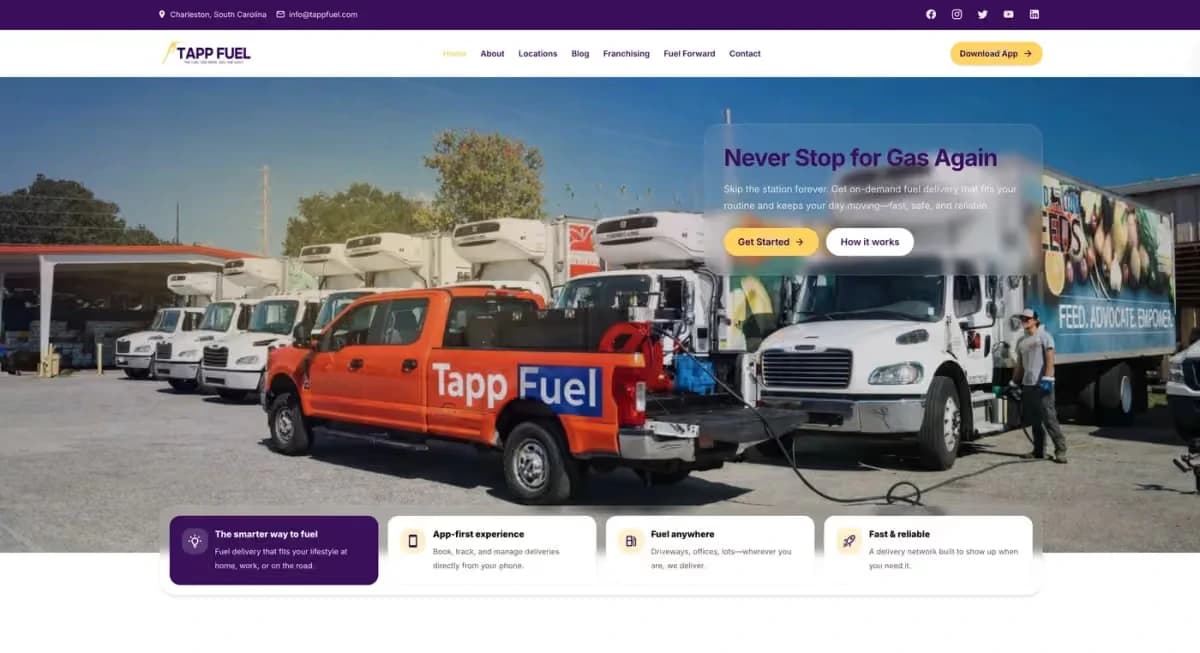
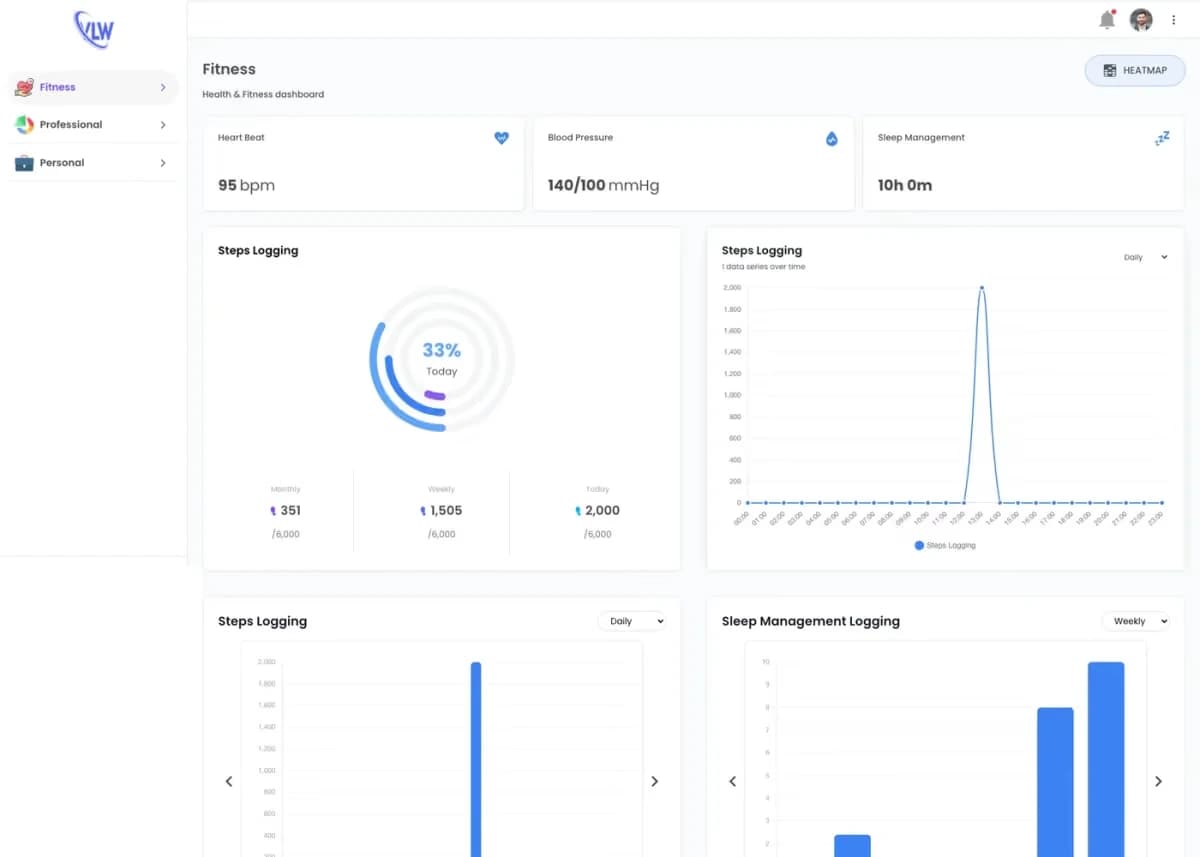
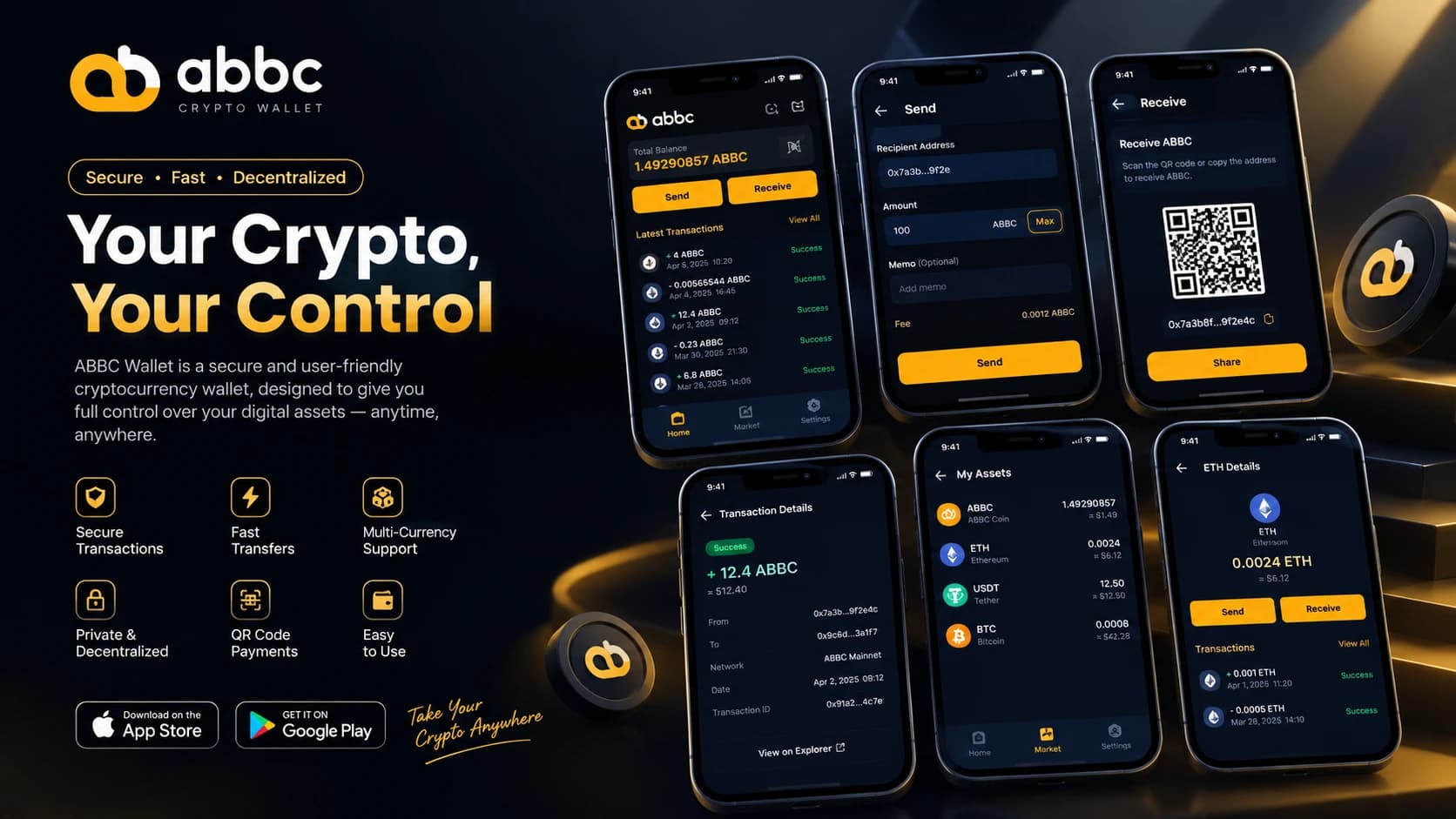
See the expertise inside real product experiences.
Tools chosen around the product, not the trend.
We select technology after understanding the experience, integrations, team and operating constraints. These are representative parts of the toolkit for this work.
Cloud
- AWS
- CloudFront
- S3
- Managed databases
Delivery
- Docker
- CI/CD
- Infrastructure as code
- Release pipelines
Operations
- Logs
- Metrics
- Health checks
- Alerting